Blood Pressure Specialist Seoul Korea
Blood Pressure Specialist Seoul Korea
High blood pressure often develops without obvious symptoms, but long-term uncontrolled hypertension can increase the risk of heart disease, stroke, kidney disease, and other complications. Current hypertension guidance emphasizes accurate diagnosis, home monitoring, lifestyle management, and medication when appropriate.
For foreign residents in Seoul, an internal medicine or cardiology clinic can be a practical starting point when blood-pressure readings remain elevated or become difficult to control.
🩺 When Should You See a Blood Pressure Specialist?
A more detailed hypertension evaluation may be appropriate when:
- Home readings remain consistently elevated
- Blood pressure stays high despite treatment
- Hypertension develops at a relatively young age
- Readings suddenly become much higher than usual
- Several medications are needed for control
- Diabetes, kidney disease, or cardiovascular disease is also present
Difficult-to-control or resistant hypertension can sometimes have an underlying cause that requires additional investigation.
🏠 Home Blood Pressure Readings Are Important
One clinic measurement does not always reflect your usual blood pressure.
Home monitoring can help:
- Confirm whether hypertension is persistent
- Identify possible white coat hypertension
- Evaluate medication response
- Compare morning and evening readings
- Track changes between appointments
The American Heart Association recommends home monitoring for people with hypertension and notes that it can also help confirm the diagnosis.
Current 2025 guidance recommends out-of-office blood-pressure measurements using home or ambulatory monitoring when confirming suspected hypertension.
🧪 What Tests May Be Needed?
A hypertension evaluation may include:
- Kidney-function tests
- Electrolytes
- Blood glucose or HbA1c
- Cholesterol testing
- Urine testing
- Medication and supplement review
- ECG when clinically appropriate
Additional testing may be considered when a secondary cause of hypertension is suspected, particularly when hypertension is unusually severe, begins early, or remains difficult to control.
😴 Could Another Condition Be Raising Your Blood Pressure?
Sometimes high blood pressure is influenced by another medical or lifestyle factor.
A doctor may review possible contributors such as:
- Kidney disease
- Sleep apnea
- Hormonal disorders
- Certain medications
- Stimulants
- Excess sodium or alcohol
- Problems with medication adherence
For resistant hypertension, identifying reversible contributors and confirming that blood pressure is truly uncontrolled are important parts of the evaluation.
❤️ Do You Need Heart Tests?
Not everyone with hypertension automatically needs advanced heart testing.
Depending on symptoms and examination findings, a doctor may consider:
- ECG: Heart rhythm and electrical abnormalities
- Echocardiogram: Heart structure and pumping function
- Holter monitor: Intermittent palpitations
- Additional cardiovascular testing when heart disease is suspected
The choice of testing should be based on your symptoms, medical history, cardiovascular risk, and previous findings rather than blood-pressure numbers alone. Current guidelines increasingly incorporate overall cardiovascular risk into treatment decisions.
💊 When Blood Pressure Medication Needs Adjustment
If your blood pressure remains high while taking medication, your doctor may review:
- Whether doses are being taken consistently
- Whether the medication combination is appropriate
- Sodium intake
- Alcohol intake
- Over-the-counter medications
- Supplements or stimulants
- Sleep quality and possible sleep apnea
- Accuracy of home measurements
Persistent high blood pressure despite treatment may require evaluation for resistant hypertension rather than simply increasing medication without reviewing possible causes.
Do not stop or change prescribed blood-pressure medication without discussing it with your healthcare professional.
🏥 Finding Blood Pressure Care in Seoul
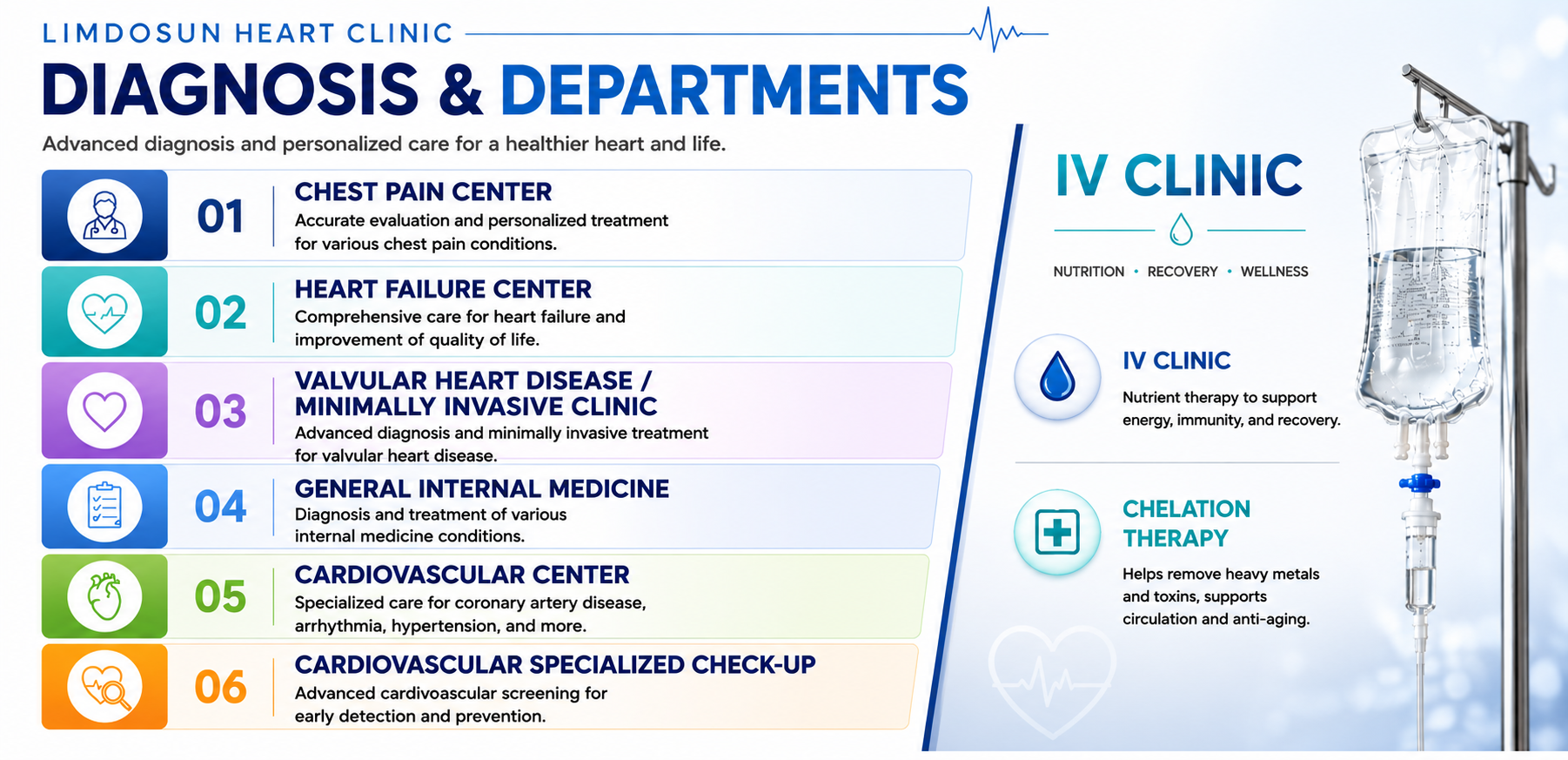
An internal medicine clinic can usually diagnose and manage uncomplicated hypertension. Cardiology, kidney, endocrine, or sleep specialists may become useful when hypertension is difficult to control or another condition is suspected.
Before booking, foreign residents may want to confirm:
- English-language consultation
- Blood and urine testing
- ECG availability
- Home blood-pressure review
- Long-term medication follow-up
- Insurance coverage and expected costs
Foreign residents enrolled in Korea’s National Health Insurance generally receive the same insurance benefit coverage framework as Korean citizens, although co-payments differ according to the medical service and institution.
NHIS also operates a dedicated Seoul Center for Foreign Residents for insurance-related assistance.
📋 What Should You Bring?
For a more efficient appointment, bring:
- Several days of home blood-pressure readings
- Your home blood-pressure monitor if possible
- Medication and supplement list
- Previous blood and urine results
- Previous ECG or heart-test reports
- Family history of hypertension or cardiovascular disease
Home readings are particularly useful because they allow the doctor to compare clinic measurements with your blood pressure during normal daily life.
🚑 When to Seek Urgent Care
Do not wait for a routine hypertension appointment if very high blood pressure occurs with severe chest pain, major breathing difficulty, sudden weakness, confusion, fainting, or loss of consciousness.
In Seoul, 119 provides emergency medical response, and Seoul has provided interpretation assistance for foreign callers through its emergency medical system.
✨ Final Thoughts
A blood pressure specialist in Seoul can help determine whether your hypertension is simply uncontrolled or whether measurement problems, medication issues, kidney disease, sleep apnea, or another secondary cause needs attention.
The most useful evaluation combines accurate home measurements, cardiovascular risk assessment, medication review, laboratory testing, and investigation of secondary causes when appropriate.
For foreign residents in Korea, confirming English-language support and NHIS coverage before the appointment can make long-term blood-pressure management more straightforward.