High Blood Pressure Evaluation in Seoul, Korea |
Hypertension Testing and Heart Risk Assessment |
Dr. Lim Do-Sun Heart Clinic
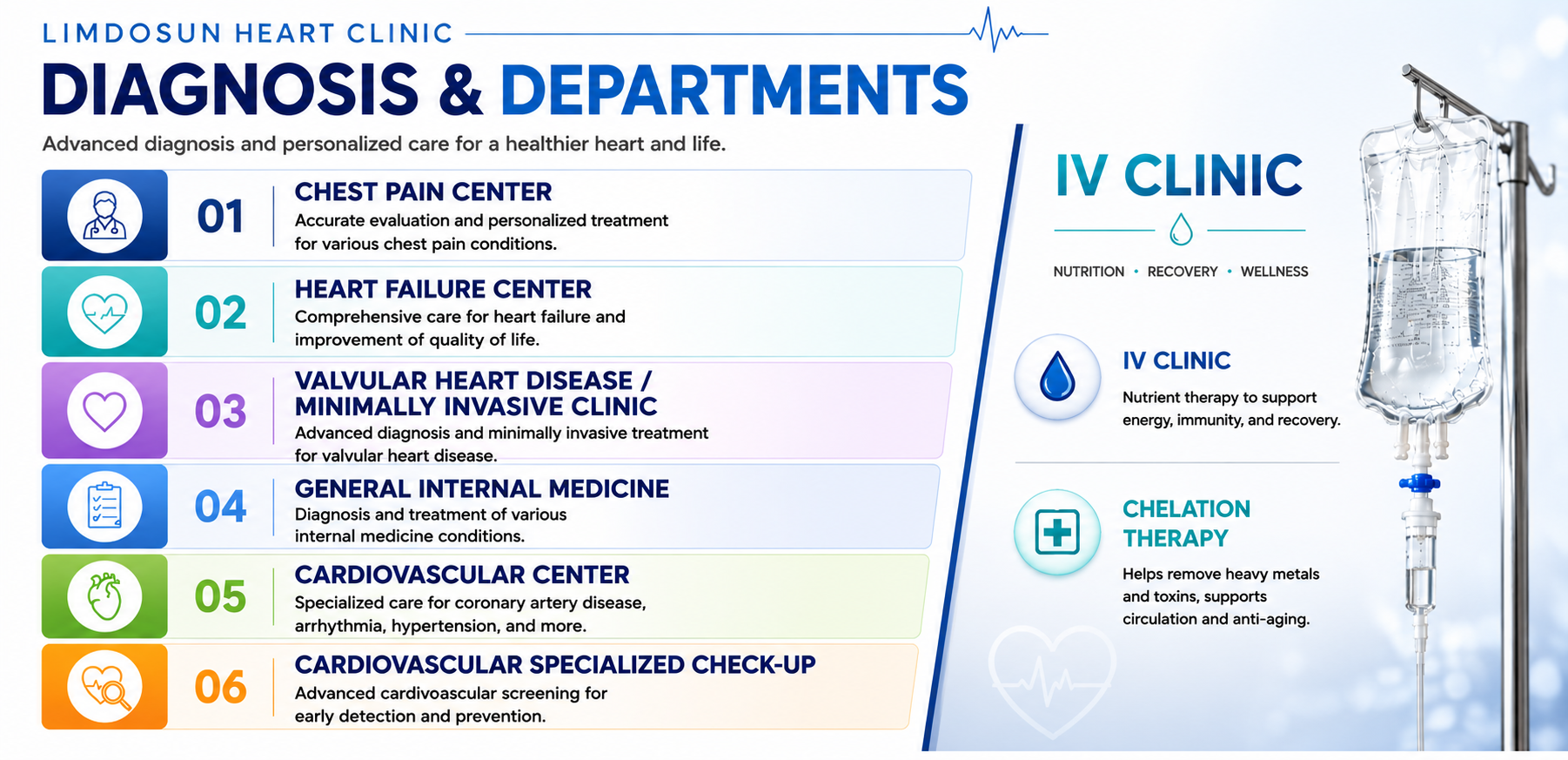
High blood pressure, also called hypertension, often causes no noticeable symptoms but can gradually increase the risk of heart attack, stroke, heart failure, kidney disease, and blood vessel damage. Dr. Lim Do-Sun Cardiovascular Clinic in Seoul provides cardiologist-led blood pressure evaluation, cardiovascular testing, medication review, and personalized hypertension management for Korean and international patients.
What Is High Blood Pressure?
Blood pressure measures the force of blood against the artery walls. Hypertension occurs when blood pressure remains consistently higher than the recommended range.
A single high reading does not always confirm hypertension. Stress, caffeine, exercise, pain, illness, and anxiety may temporarily increase blood pressure. Repeated measurements or home blood pressure monitoring may be needed for an accurate diagnosis.
Why Is Hypertension Important?
Uncontrolled high blood pressure may gradually damage the:
- Heart
- Brain
- Kidneys
- Eyes
- Arteries
- Peripheral blood vessels
Because hypertension may develop without symptoms, regular blood pressure checks are important even when you feel healthy.
Possible Symptoms of High Blood Pressure
Most patients do not experience clear symptoms. When blood pressure becomes severely elevated, possible symptoms may include:
- Headache
- Dizziness
- Blurred vision
- Chest discomfort
- Heart palpitations
- Shortness of breath
- Fatigue
- Nosebleeds
- Nausea
These symptoms are not specific to hypertension and require proper medical evaluation.
Who Should Consider a High Blood Pressure Evaluation?
Cardiovascular assessment may be recommended for patients with:
- Repeated high blood pressure readings
- High blood pressure at home
- A family history of hypertension
- Diabetes
- High cholesterol
- Obesity
- Kidney disease
- Sleep apnea
- Smoking history
- Chest pain or palpitations
- Headaches or dizziness
- Previous stroke or heart disease
- Difficulty controlling blood pressure with medication
How Is High Blood Pressure Evaluated?
Dr. Lim Do-Sun may review:
- Current blood pressure readings
- Home blood pressure records
- Medical history
- Family history
- Current medications
- Diet and salt intake
- Exercise habits
- Alcohol and caffeine intake
- Sleep quality
- Cardiovascular risk factors
Blood pressure may be measured more than once and in both arms when appropriate.
Cardiovascular Tests for Hypertension
Testing may include:
Electrocardiogram
An ECG evaluates the heart’s electrical activity and may identify abnormal rhythm, heart strain, or other cardiac changes.
Echocardiogram
An echocardiogram can assess heart structure, heart muscle thickness, pumping function, and heart valve function.
Blood Tests
Blood testing may evaluate:
- Cholesterol
- Blood sugar
- Kidney function
- Electrolytes
- Thyroid function
- Other cardiovascular risk factors
Urine Testing
Urine tests may help identify kidney problems or organ effects related to hypertension.
Home Blood Pressure Monitoring
Patients may be asked to record blood pressure at home to determine whether readings remain consistently elevated outside the clinic.
24-Hour Blood Pressure Monitoring
Ambulatory blood pressure monitoring records blood pressure throughout the day and night. It may help identify:
- White coat hypertension
- Masked hypertension
- Nighttime hypertension
- Fluctuating blood pressure
- Medication effectiveness
White Coat Hypertension
Some patients have high blood pressure only in medical settings because of anxiety or stress.
Home or 24-hour monitoring can help determine whether blood pressure is also elevated during normal daily activities.
Masked Hypertension
Masked hypertension occurs when clinic readings appear normal but blood pressure is high at home or during work.
This condition may be missed without home or ambulatory blood pressure monitoring.
High Blood Pressure in Younger Adults
Hypertension can also affect younger adults. Possible contributing factors include:
- Family history
- Obesity
- High salt intake
- Lack of exercise
- Stress
- Sleep deprivation
- Smoking
- Excessive alcohol use
- Kidney or hormonal conditions
Younger patients with unexplained or severe hypertension may require additional testing for secondary causes.
High Blood Pressure in Older Adults
Blood pressure commonly increases with age as arteries become less flexible. Older adults may also experience significant differences between systolic and diastolic blood pressure.
Treatment should be individualized to lower cardiovascular risk while avoiding excessive blood pressure reduction, dizziness, or falls.
Secondary Hypertension
Some cases of hypertension are caused by another medical condition.
Possible causes include:
- Kidney disease
- Thyroid disorders
- Adrenal gland conditions
- Sleep apnea
- Certain medications
- Hormonal disorders
- Narrowing of the kidney arteries
Further evaluation may be recommended when hypertension begins suddenly, occurs at a young age, or remains uncontrolled despite multiple medications.
Hypertension Treatment
Treatment may include:
- Reducing salt intake
- Maintaining a healthy weight
- Regular physical activity
- Limiting alcohol
- Stopping smoking
- Improving sleep
- Managing stress
- Treating sleep apnea
- Taking prescribed blood pressure medication
Medication choice depends on the patient’s blood pressure pattern, age, kidney function, medical history, and cardiovascular risk.
When Is High Blood Pressure an Emergency?
Seek immediate medical care when very high blood pressure is accompanied by:
- Severe chest pain
- Severe shortness of breath
- Sudden weakness or numbness
- Difficulty speaking
- Confusion
- Loss of consciousness
- Sudden vision changes
- Severe headache
- Seizure
These symptoms may indicate a hypertensive emergency, stroke, heart attack, or another serious condition.
Hypertension Care for International Patients in Seoul
Dr. Lim Do-Sun Cardiovascular Clinic provides high blood pressure evaluation for expatriates, tourists, overseas residents, and international patients.
Patients may bring:
- Home blood pressure records
- Previous blood test results
- Medication lists
- ECG or echocardiogram results
- Previous cardiology reports
- Smartwatch health data
Previous medical records can help the cardiologist review blood pressure trends and current treatment effectiveness.
Why Choose Dr. Lim Do-Sun Heart Clinic?
The clinic provides:
- Cardiologist-led hypertension evaluation
- Accurate blood pressure assessment
- ECG and echocardiography
- Cardiovascular risk screening
- Medication review
- Home blood pressure guidance
- Personalized treatment planning
- International patient support
- Ongoing cardiovascular follow-up
Book a High Blood Pressure Evaluation in Seoul
Early diagnosis and proper control of hypertension can reduce the risk of heart disease, stroke, and organ damage.
Dr. Lim Do-Sun Cardiovascular Clinic offers personalized high blood pressure evaluation and cardiovascular risk assessment for patients in Seoul, Korea.
Frequently Asked Questions
Can I have high blood pressure without symptoms?
Yes. Most patients with hypertension have no obvious symptoms, which is why it is often called a silent condition.
Does one high reading mean I have hypertension?
Not always. Diagnosis generally requires repeated readings, home monitoring, or 24-hour blood pressure monitoring.
Can stress cause high blood pressure?
Stress can temporarily increase blood pressure. Chronic stress may also contribute to unhealthy habits that raise cardiovascular risk.
Should I see a cardiologist for high blood pressure?
A cardiologist evaluation may be helpful if blood pressure is difficult to control, accompanied by heart symptoms, or associated with other cardiovascular risk factors.
Can high blood pressure damage the heart?
Yes. Long-term hypertension may cause heart muscle thickening, coronary artery disease, heart failure, and abnormal heart rhythms.
What tests are used to evaluate hypertension?
Testing may include repeated blood pressure measurements, ECG, echocardiography, blood tests, urine tests, home monitoring, and 24-hour ambulatory monitoring.
Can hypertension be controlled?
In many patients, blood pressure can be successfully managed through lifestyle changes, medication, and regular medical follow-up.