Can High Cholesterol Be Reversed?
Can High Cholesterol Be Reversed?
High cholesterol can often be significantly improved and brought into a healthier range, but “reversed” can be misleading.
Your cholesterol may rise again if lifestyle changes stop or medication is discontinued. For many people, especially those with genetic or high cardiovascular risk, cholesterol management is a long-term process.
🩸 What Does Lowering Cholesterol Actually Mean?
The main goal is usually to reduce LDL cholesterol, because LDL contributes to plaque buildup inside arteries.
Treatment may also address:
- High triglycerides
- Low or abnormal HDL patterns
- Elevated ApoB
- Lipoprotein(a)
- Overall cardiovascular risk
The 2026 dyslipidemia guideline emphasizes looking beyond LDL alone when evaluating cardiovascular risk.
🥗 Can Lifestyle Changes Lower Cholesterol?
Yes. Healthy lifestyle changes can lower LDL and improve overall cardiovascular health.
Helpful changes include:
- Reducing saturated and trans fats
- Eating more vegetables, whole grains, and fiber-rich foods
- Exercising regularly
- Maintaining a healthy weight
- Avoiding tobacco
- Managing diabetes and blood pressure
However, the amount of improvement varies from person to person.
💊 When Is Medication Needed?
Lifestyle changes may not lower cholesterol enough when cardiovascular risk is high.
Treatment may include:
- Statins
- Additional LDL-lowering medications
- Combination therapy for selected patients
The 2026 ACC/AHA guideline continues to use statins as a foundation of cholesterol-lowering treatment, with additional medications considered when LDL remains above an appropriate target.
🧬 What if High Cholesterol Runs in Your Family?
Genetic conditions such as familial hypercholesterolemia (FH) can cause very high LDL levels from an early age.
Lifestyle remains important, but diet and exercise alone may not provide enough LDL reduction. Long-term cholesterol-lowering medication is often required.
A family history of very high cholesterol or early heart attacks should therefore be discussed with your doctor.
❤️ Does a Normal LDL Mean the Problem Is Gone?
Not necessarily.
A lower LDL means your current treatment is working, but it does not automatically erase previous cardiovascular risk or existing artery plaque.
Your doctor may still consider:
- Blood pressure
- Diabetes
- Kidney disease
- Smoking history
- Family history
- Lp(a)
- Previous heart or vascular disease
For higher-risk patients, current guidelines recommend more intensive LDL lowering than for people at lower cardiovascular risk.
📊 How Often Should Cholesterol Be Rechecked?
After starting or adjusting cholesterol treatment, lipid levels are commonly rechecked within several weeks to evaluate the response.
Once treatment is stable, testing intervals can be individualized according to your cardiovascular risk and medication plan.
Do not stop cholesterol medication simply because your latest result is normal.
🏥 Getting Cholesterol Checked in Seoul
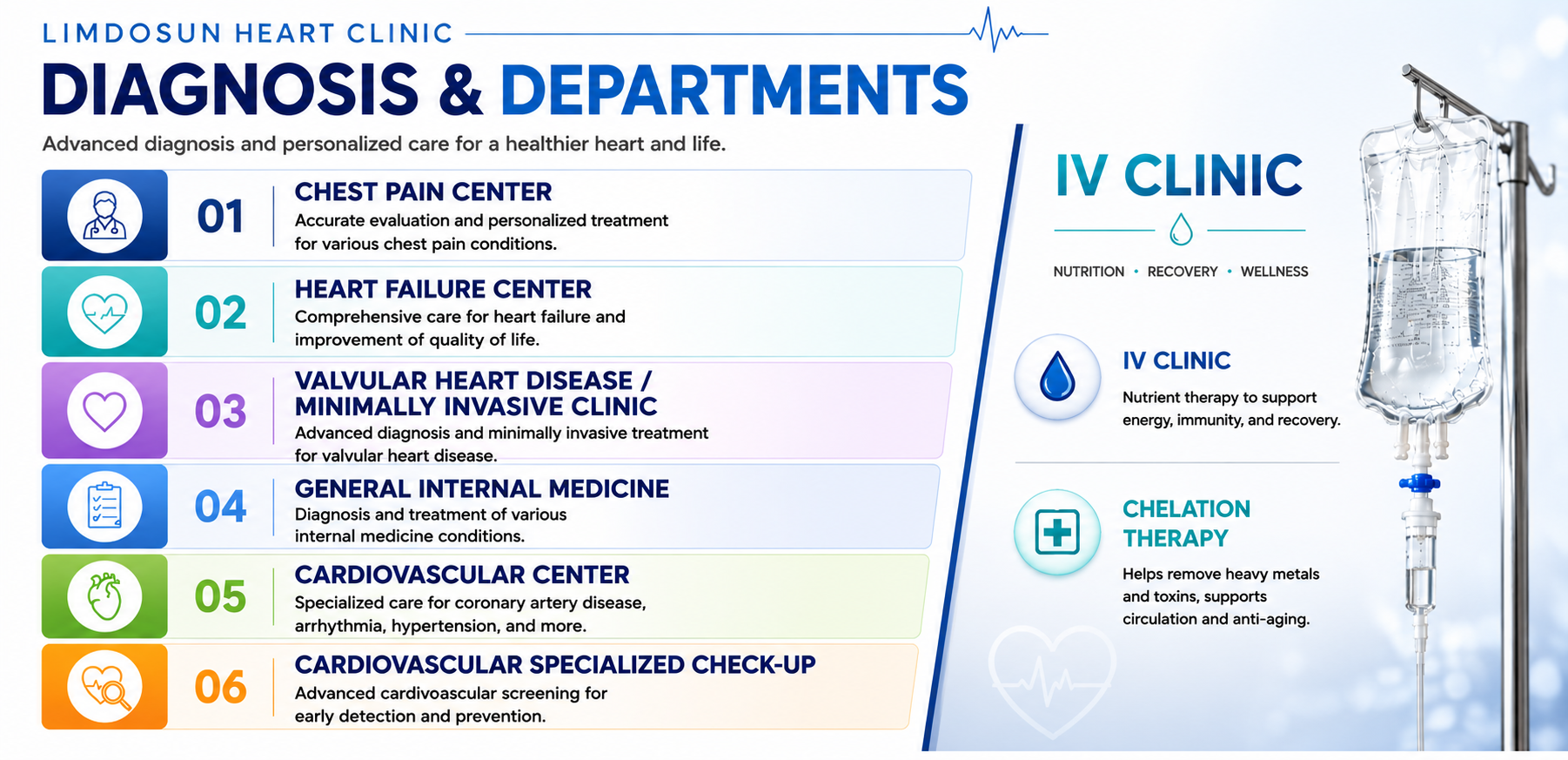
An internal medicine or cardiology clinic can review your cholesterol results together with your overall cardiovascular risk.
Bring:
- Previous lipid-test results
- Your medication and supplement list
- Blood-pressure records
- Diabetes or kidney test results
- Information about early heart disease in your family
Ask whether testing includes LDL, HDL, triglycerides, and whether additional tests such as Lp(a) or ApoB are appropriate.
✨ Final Thoughts
High cholesterol can often be controlled very effectively, and LDL levels may fall substantially with lifestyle changes, medication, or both.
But cholesterol management is usually better viewed as long-term cardiovascular prevention rather than a permanent cure. Even when your numbers return to normal, continuing healthy habits, monitoring, and prescribed treatment helps keep them there.