Foods That Support Heart Health in Korea
Foods That Support Heart Health in Korea
Eating for heart health in Korea does not require following a special Western diet. Many familiar Korean foods—such as vegetables, beans, tofu, fish, whole grains, and fruit—fit naturally into a heart-healthy eating pattern.
The main challenge is often balancing these nutritious foods with Korea’s traditionally salty soups, sauces, pickled foods, and processed meals. Heart-health guidance emphasizes vegetables, fruits, whole grains, plant proteins, fish, nuts, and healthier fats while limiting sodium, added sugar, and saturated fat.
🍚 Choose Whole Grains More Often
Instead of relying only on white rice, consider:
- Brown rice
- Barley
- Mixed-grain rice
- Oats
- Rice mixed with beans
Whole grains provide more fiber and nutrients than highly refined grains and can be part of a cardiovascular-friendly eating pattern.
🐟 Include Fish and Plant Proteins
Common Korean meals make it relatively easy to include heart-friendly protein sources.
Good options include:
- Grilled or steamed fish
- Tofu
- Soybeans
- Lentils and other beans
- Skinless poultry
- Unsalted nuts and seeds
Current cardiovascular nutrition guidance favors fish and plant-based proteins while recommending less processed and high-saturated-fat meat.
🥬 Fill More of Your Meal With Vegetables
Korean cuisine offers many vegetable-based side dishes, including spinach, mushrooms, bean sprouts, cabbage, radish, and leafy greens.
Try to choose:
- Fresh vegetables
- Lightly seasoned namul
- Steamed vegetables
- Vegetable-based wraps
- Fresh fruit for snacks or dessert
Korea’s current nutrient guidance also identifies vegetables and fruits as important sources of vitamins, minerals, and dietary fiber.
🧂 Watch Sodium in Korean Meals
A meal can contain healthy ingredients and still be high in sodium.
Foods worth moderating include:
- Kimchi in large portions
- Ramyeon
- Jjigae and guk broth
- Soy sauce-based sauces
- Salted seafood
- Processed meats
- Convenience-store meals
Korea’s disease-control guidance recommends reducing salt intake as an important part of preventing and managing high blood pressure.
One simple strategy is to eat the ingredients in soups and stews without finishing all the broth.
🥑 Choose Healthier Fats
For cardiovascular health, focus more on unsaturated fats and less on saturated fat.
Better choices may include:
- Nuts and seeds
- Fish
- Sesame or perilla seeds
- Vegetable oils used in moderate amounts
- Avocado when available
At the same time, limit frequent intake of heavily fried foods, fatty processed meats, and foods high in saturated fat.
🍱 Eating Out in Korea
When eating at Korean restaurants, small adjustments can make a meaningful difference.
Try:
- Grilled fish instead of deep-fried dishes
- Bibimbap with less sauce
- Extra vegetables with Korean barbecue
- Smaller portions of fatty meat
- Less soup broth
- Sauces served separately
- Water instead of sugary beverages
A heart-healthy diet depends more on your overall eating pattern than on avoiding one particular Korean food.
🏥 Nutrition and Heart Health in Seoul
If you have high blood pressure, diabetes, high cholesterol, kidney disease, or known heart disease, your ideal diet may need to be individualized.
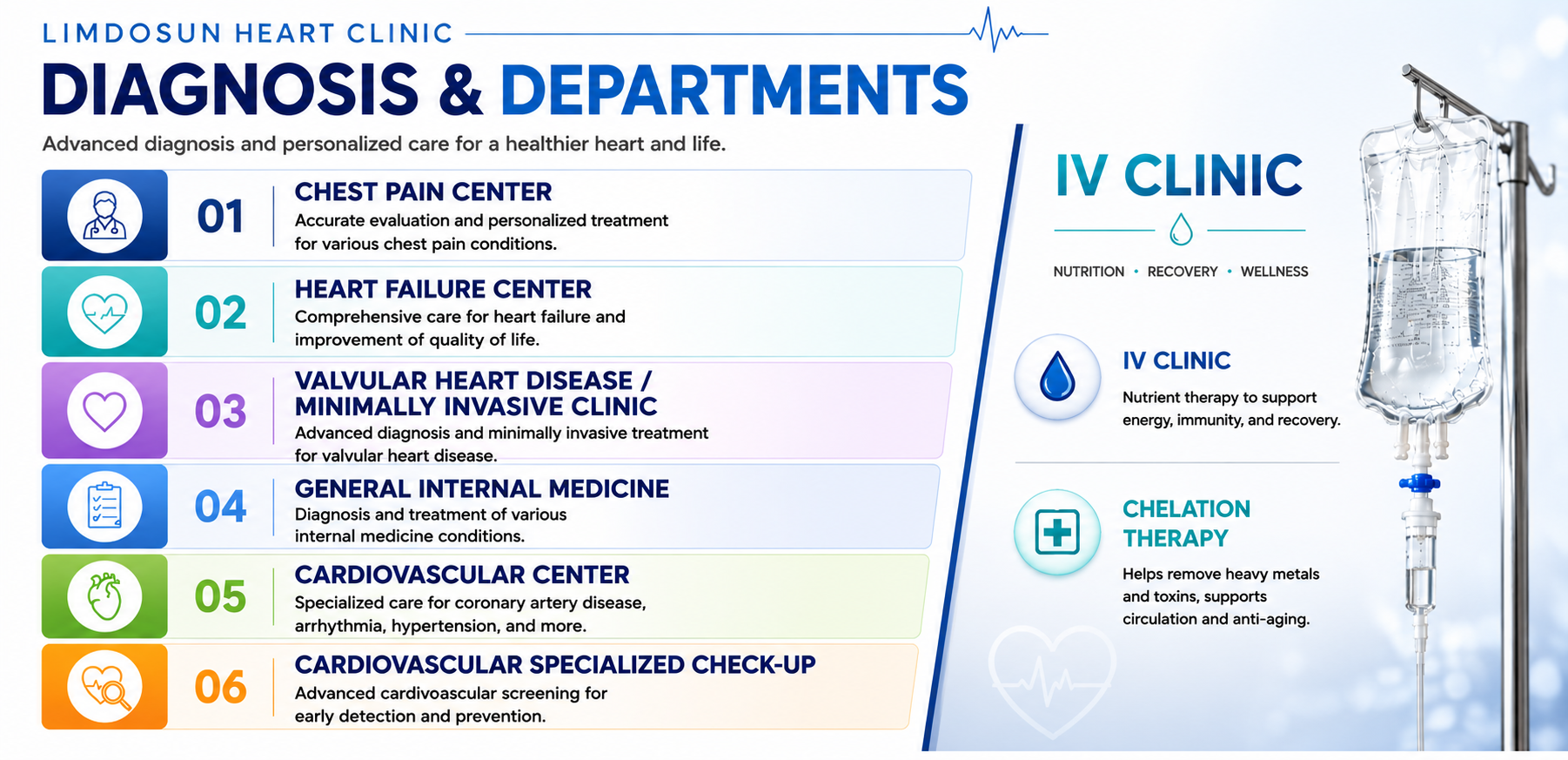
An internal medicine or cardiology clinic can review:
- Blood pressure
- Cholesterol
- Blood sugar
- Kidney function
- Weight and waist circumference
- Current medications
This is especially useful before making major dietary changes if you have several cardiovascular risk factors.
✨ Final Thoughts
Korean food can easily support a heart-healthy lifestyle when meals emphasize vegetables, whole grains, fish, tofu, beans, fruit, and unsalted nuts.
The biggest practical improvement for many people is reducing sodium, processed foods, sugary drinks, and excessive saturated fat while keeping traditional plant-based foods at the center of the meal. Korea’s national nutrition guidance similarly emphasizes balanced nutrient intake for chronic-disease prevention.