Heart Screening for First-Time Patients in Seoul
Heart Screening for First-Time Patients in Seoul
Getting your first heart checkup in Seoul may feel confusing, especially if you are unfamiliar with Korea’s healthcare system. A first visit usually begins with a consultation and basic cardiovascular risk assessment—not every advanced heart test.
The doctor will select additional examinations based on your symptoms, medical history, and initial results.
📋 What Should You Prepare?
Before your appointment, bring:
- Your passport or Korean identification card
- A list of medications and supplements
- Previous blood tests or health-checkup results
- Recent home blood pressure readings
- Details about heart disease in your family
- Notes about chest pain, palpitations, or breathlessness
Confirm whether fasting is required and whether the clinic provides English-language support.
🩺 Consultation and Basic Measurements
The doctor may ask about your lifestyle, symptoms, and cardiovascular risks.
Your first assessment commonly includes:
- Blood pressure and resting heart rate
- Height, weight, and body mass index
- Heart and lung examination
- Smoking and alcohol history
- Exercise, diet, sleep, and stress review
- Personal and family medical history
Blood pressure, cholesterol, blood glucose, weight, smoking, activity, and sleep are important factors in evaluating heart health.
🧪 Common Blood Tests
Basic laboratory testing may include:
- Total, LDL, and HDL cholesterol
- Triglycerides
- Fasting glucose or HbA1c
- Kidney function
- Liver function when appropriate
- Electrolytes
These tests do not directly show a blocked artery, but they help identify your future risk of heart attack and stroke.
💓 Do First-Time Patients Need an ECG?
An electrocardiogram (ECG) records the heart’s electrical activity. It may be recommended when you have:
- Chest discomfort
- Palpitations
- Shortness of breath
- Dizziness or fainting
- An irregular heartbeat
- Known high blood pressure, diabetes, or heart disease
Routine ECG screening is not generally beneficial for every low-risk adult without symptoms.
🫀 When Are Additional Tests Needed?
Depending on the initial findings, your doctor may recommend:
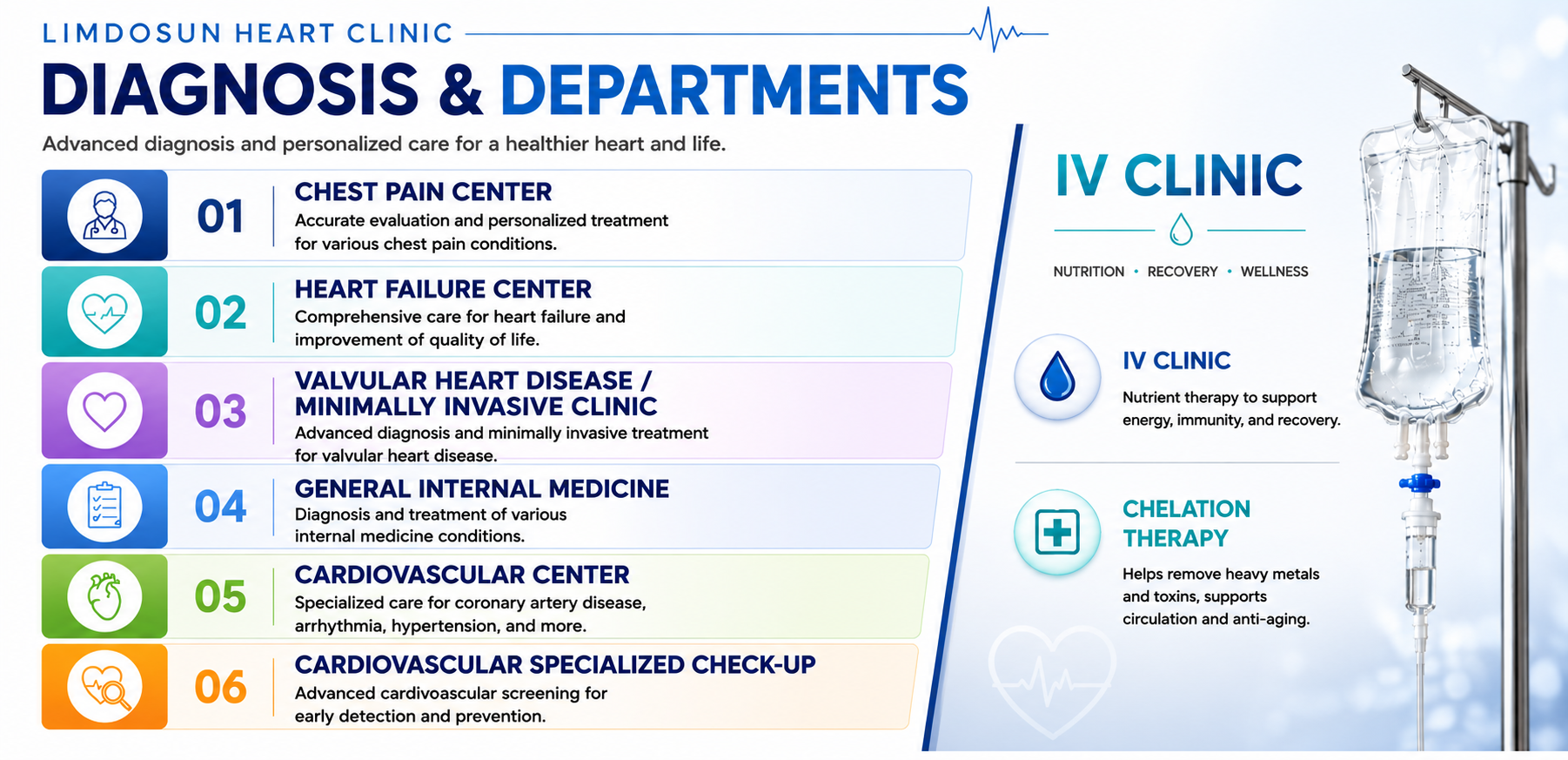
- Echocardiogram: Checks heart structure, valves, and pumping function
- Stress test: Evaluates symptoms that appear during exercise
- Holter monitor: Records intermittent palpitations
- Coronary imaging: Examines suspected artery disease
These tests should be selected according to your symptoms and risk—not automatically included in every screening package.
🏥 Getting Screened in Seoul
An internal medicine clinic is often a practical starting point for first-time patients. A cardiology clinic may be more appropriate when you already have symptoms, abnormal results, or several major risk factors.
Eligible National Health Insurance members can receive general health screenings at authorized medical institutions, although optional cardiac examinations may involve additional costs.
Before booking, ask whether:
- Results are reviewed by a doctor
- A follow-up consultation is included
- Reports are available in English
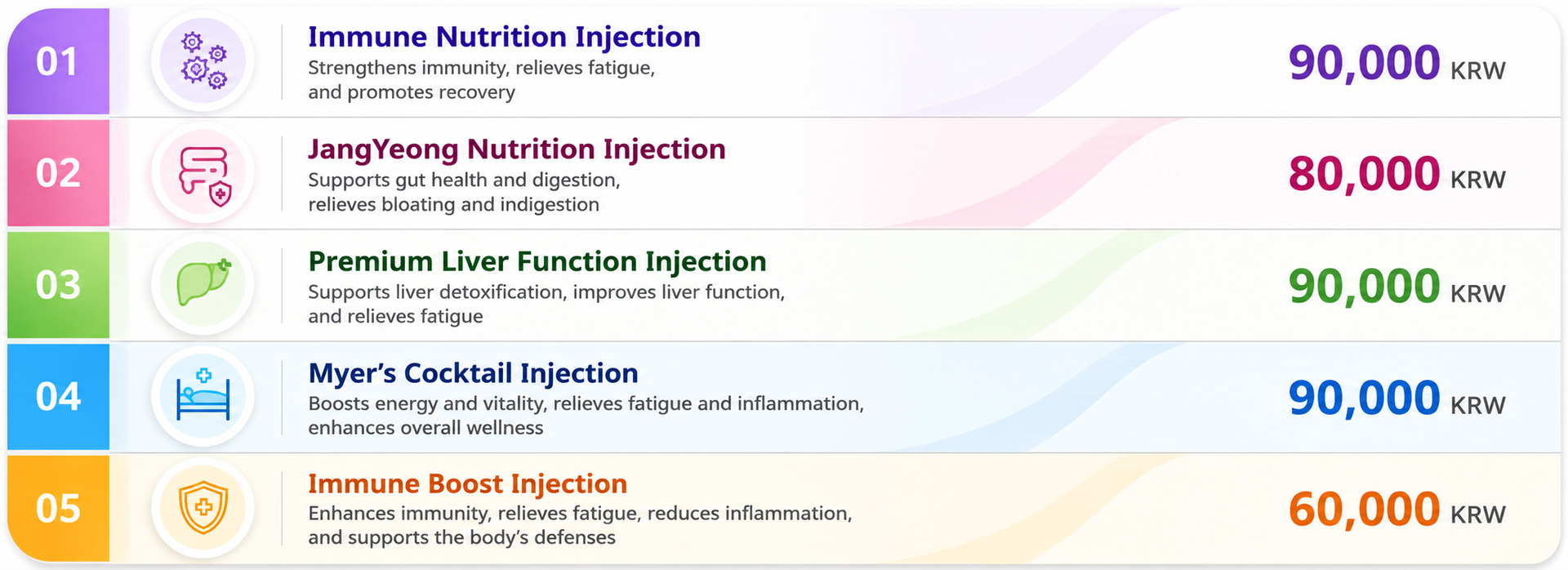
- Optional tests have separate fees
🚑 When to Call 119
Do not wait for a scheduled screening if you experience:
- Severe or persistent chest pressure
- Pain spreading to the arm, back, neck, or jaw
- Severe breathing difficulty
- Fainting or sudden collapse
- Sudden weakness or difficulty speaking
- Loss of consciousness
Call 119 in Seoul for emergency ambulance assistance. Interpretation assistance is available for foreign callers.
✨ Final Thoughts
A first heart screening in Seoul usually includes a medical consultation, blood pressure measurement, physical examination, and essential blood tests.
An ECG, echocardiogram, stress test, or heart monitor may be added when medically appropriate. Choose a clinic that provides clear explanations, suitable testing, and a personalized follow-up plan rather than simply offering the largest examination package.