High Triglycerides and Heart Disease
High Triglycerides and Heart Disease
Triglycerides are a type of fat in the blood that stores excess energy from food. A level below 150 mg/dL is generally considered normal, while elevated triglycerides can contribute to cardiovascular risk, especially when combined with high LDL cholesterol or low HDL cholesterol.
High triglycerides should therefore be considered together with your cholesterol, blood pressure, blood sugar, weight, and other heart-disease risk factors.
❤️ How Do High Triglycerides Affect the Heart?
Elevated triglycerides are associated with atherosclerotic cardiovascular disease (ASCVD). Triglyceride-rich particles and their remnants can contribute to fatty deposits within artery walls.
Risk becomes more concerning when high triglycerides occur together with:
- High LDL cholesterol
- Low HDL cholesterol
- Diabetes
- Obesity
- High blood pressure
- Smoking
- Kidney disease
The 2026 ACC/AHA dyslipidemia guideline includes elevated triglycerides as information that can help refine an individual’s cardiovascular-risk assessment.
🍚 What Causes High Triglycerides?
Common contributors include:
- Excess body weight
- Physical inactivity
- High intake of refined carbohydrates
- Excessive alcohol
- Smoking
- Poorly controlled diabetes
- Certain medications
- Genetic lipid disorders
Refined carbohydrates such as white flour and white rice, excessive alcohol, inactivity, smoking, and weight gain can all influence triglyceride levels.
🩸 Are Very High Triglycerides Dangerous?
Yes. At very high levels, the concern extends beyond heart disease to acute pancreatitis, a potentially serious inflammation of the pancreas.
Current guidance gives particular attention to triglyceride levels around 1,000 mg/dL or higher, where triglyceride-lowering treatment may be needed specifically to reduce pancreatitis risk.
Severe elevations should therefore be evaluated promptly rather than managed only with routine lifestyle advice.
🥗 How Can You Lower Triglycerides?
Lifestyle treatment is an important first step.
Helpful changes include:
- Losing excess weight when appropriate
- Exercising regularly
- Reducing added sugars and refined carbohydrates
- Limiting or avoiding alcohol
- Eating more vegetables and high-fiber foods
- Choosing fish, legumes, and lean proteins
- Avoiding smoking
The American Heart Association recommends a heart-healthy eating pattern rich in vegetables, fruits, nuts, legumes, whole grains, fiber, and lean protein for improving overall lipid health.
💊 Is Medication Sometimes Needed?
Yes. Treatment depends on both the triglyceride level and your overall cardiovascular and pancreatitis risk.
The 2026 ACC/AHA guideline identifies lifestyle modification and statin therapy as the main foundation of treatment for hypertriglyceridemia when ASCVD prevention is a concern. Additional triglyceride-lowering therapies may be appropriate for selected patients, particularly when levels are very high.
Do not start high-dose omega-3 products, fibrates, or other lipid medications without discussing them with your doctor.
🧪 Look at More Than Triglycerides
A complete cardiovascular assessment may include:
- LDL cholesterol
- HDL cholesterol
- Triglycerides
- Non-HDL cholesterol
- Blood glucose or HbA1c
- Blood pressure
- Kidney function
For some people with triglycerides above 200 mg/dL, diabetes, or residual cardiovascular risk despite controlled LDL, the 2026 guideline notes that ApoB testing can provide additional information.
🏥 Getting High Triglycerides Checked in Seoul
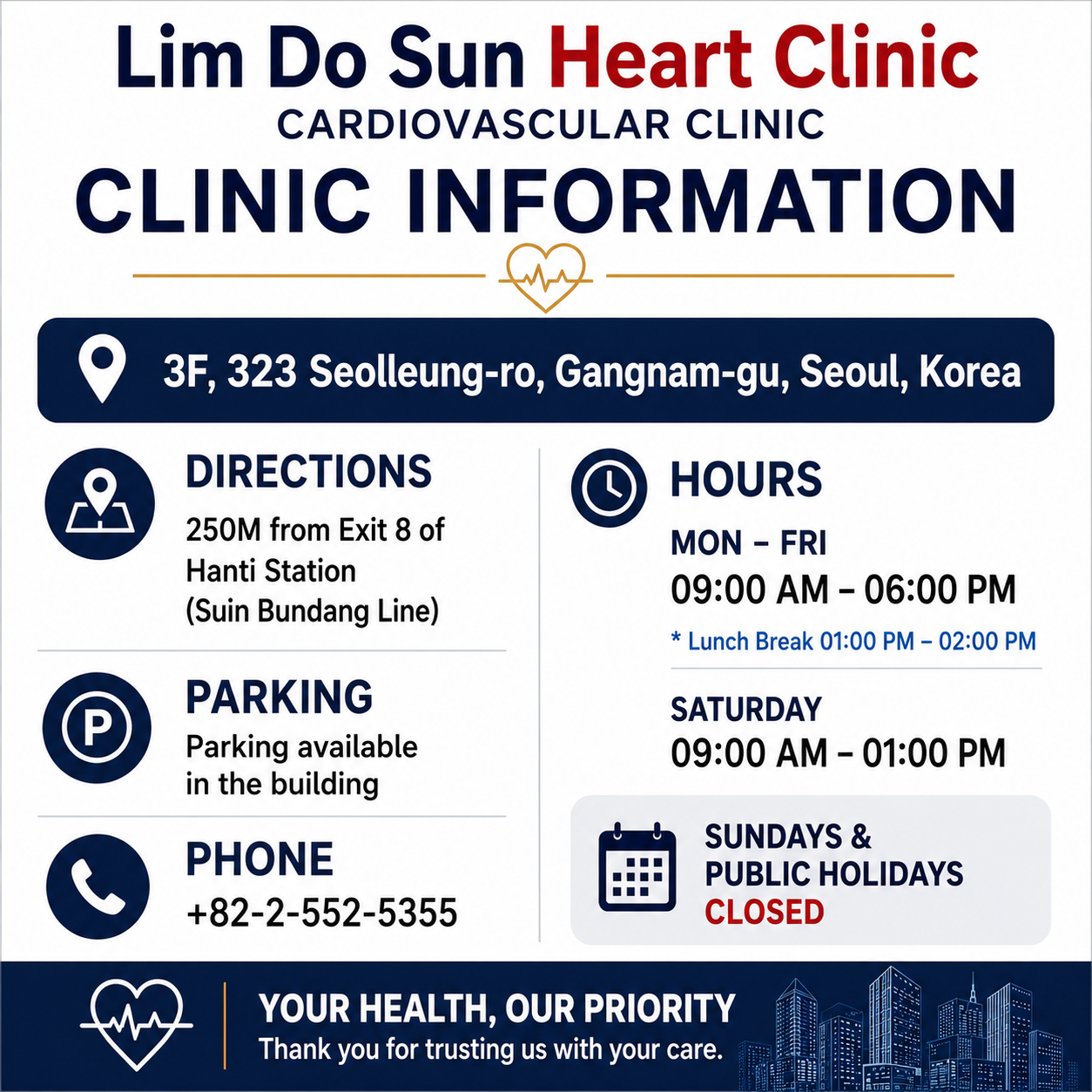
An internal medicine clinic is usually a practical starting point for elevated triglycerides. Cardiology evaluation may be appropriate when there is known cardiovascular disease, multiple risk factors, or concerning symptoms.
Bring:
- Previous lipid-test results
- Recent glucose or HbA1c results
- Home blood-pressure readings
- Your medication and supplement list
- Information about alcohol intake
- Family history of early heart disease or severe lipid disorders
Your treatment should be based on the complete lipid profile and cardiovascular risk, not the triglyceride number alone.
✨ Final Thoughts
High triglycerides can contribute to heart and artery disease, particularly when combined with high LDL cholesterol, diabetes, obesity, or other cardiovascular risks.
For most people, management begins with healthier eating, regular exercise, weight management, and reducing alcohol and refined carbohydrates. When triglycerides remain high—or become severely elevated—medication and closer medical follow-up may also be necessary.