Is White Coat Hypertension Common in Korea?
Is White Coat Hypertension Common in Korea?
Yes. White coat hypertension is seen in Korea and is not unusual among people being evaluated for high blood pressure. However, its reported frequency varies depending on age, setting, and how blood pressure is measured.
A Korean hypertension registry found white coat hypertension in 14.9% of patients referred for ambulatory monitoring, while a population-based study of adults aged 20–65 reported a much lower rate. This means there is no single prevalence figure that applies to every Korean adult.
🥼 What Is White Coat Hypertension?
White coat hypertension means your blood pressure is high at a clinic but normal during daily life.
The temporary increase may be related to:
- Anxiety about medical visits
- Rushing to the clinic
- Pain or poor sleep
- Caffeine or smoking
- Talking during the measurement
- Insufficient rest before testing
For people already taking medication, a similar pattern may be described as a white coat effect or white coat uncontrolled hypertension.
📊 How Is It Confirmed?
One high clinic reading is not enough to confirm hypertension.
Your doctor may recommend:
- Repeated clinic measurements after resting
- Home blood pressure monitoring
- 24-hour ambulatory blood pressure monitoring
- Comparison of morning, evening, and clinic readings
Korean hypertension guidance emphasizes using home or ambulatory measurements when clinic readings may not reflect a patient’s usual blood pressure.
🏠 How Should You Measure at Home?
For more reliable results:
- Use a validated upper-arm monitor
- Sit quietly before measuring
- Keep your back supported and feet flat
- Support your arm at heart level
- Avoid talking
- Take repeated readings over several days
- Record the results for your doctor
Do not change medication based only on a few lower home readings.
⚠️ Is White Coat Hypertension Harmless?
Not always. It may carry less immediate risk than blood pressure that remains high everywhere, but some people later develop sustained hypertension.
Regular follow-up is especially important when you also have:
- Diabetes
- High cholesterol
- Kidney disease
- Obesity
- Smoking history
- A family history of heart disease
Korean guidance recommends continued monitoring because white coat hypertension can progress and may increase long-term cardiovascular risk.
🏥 Getting Checked in Seoul
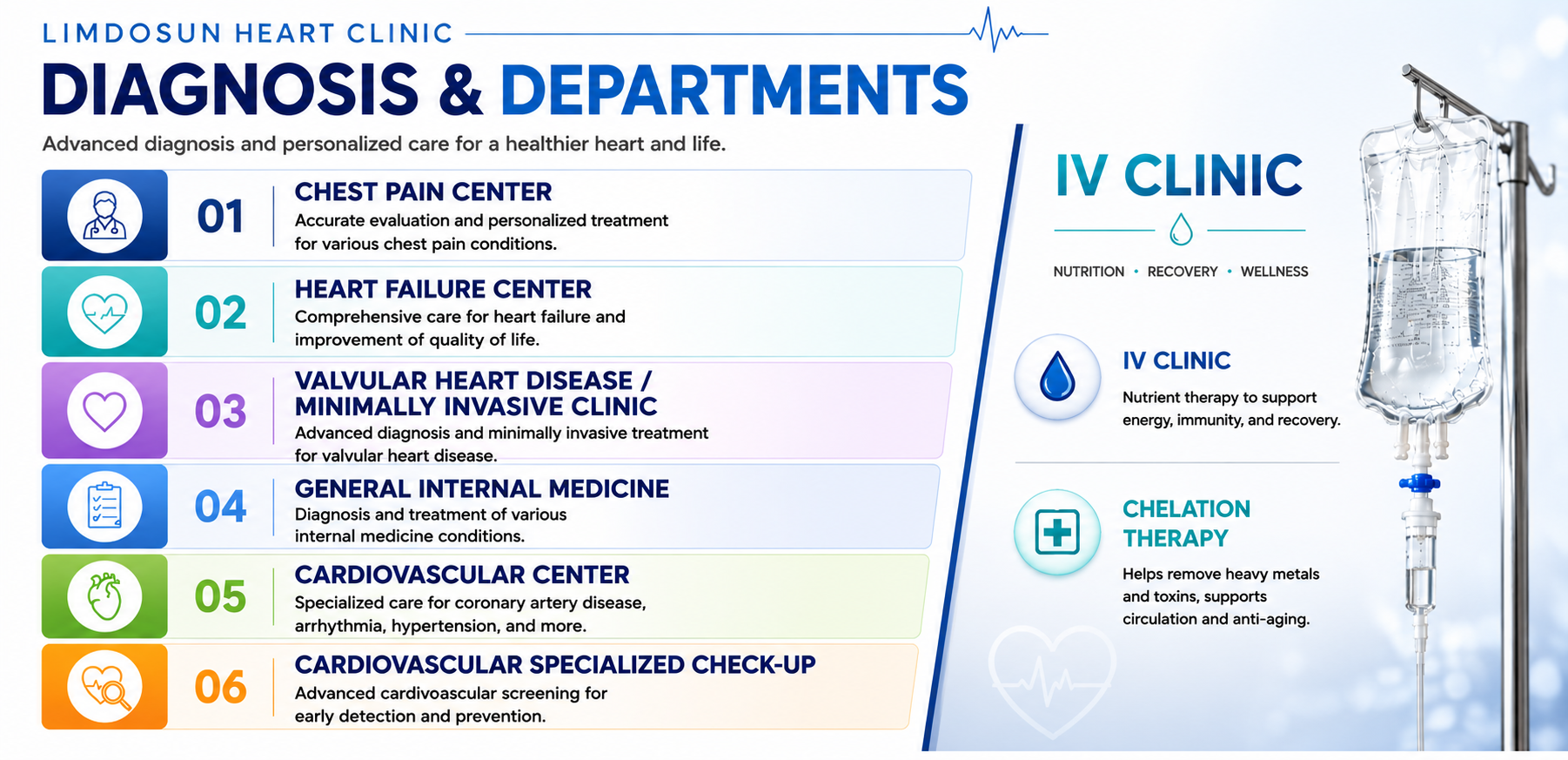
An internal medicine clinic can review your home readings and confirm whether further monitoring is needed.
A 24-hour ambulatory monitor may be particularly useful when:
- Clinic readings are repeatedly high
- Home readings are consistently lower
- You feel anxious during medical visits
- Medication is being considered or adjusted
- Your clinic and home results strongly disagree
Bring your home monitor, blood pressure record, and medication list. Confirm whether the clinic provides English-language support and offers ambulatory monitoring.
✨ Final Thoughts
White coat hypertension does occur in Korea, particularly among patients referred for suspected hypertension. However, its frequency differs greatly between clinic-based and general-population studies.
The best way to distinguish it from sustained hypertension is to compare properly measured clinic readings with home or 24-hour ambulatory blood pressure results. Even when home readings are normal, continue regular follow-up rather than ignoring repeated clinic elevations.