Which Heart Test Is Right for Chest Discomfort?
Which Heart Test Is Right for Chest Discomfort?
Chest discomfort can have many causes, including heart disease, muscle strain, reflux, lung conditions, or anxiety. The right heart test depends on when the discomfort occurs, how severe it is, and your cardiovascular risk factors.
There is no single test that is best for every type of chest discomfort. Current guidelines recommend choosing testing according to whether symptoms are acute, stable, low-risk, or suspicious for coronary artery disease.
⚡ Sudden Chest Discomfort: ECG and Troponin
For new or potentially serious chest discomfort, the first tests commonly include:
- Electrocardiogram (ECG)
- High-sensitivity cardiac troponin blood tests
- Blood pressure and oxygen measurement
- Medical examination and symptom review
High-sensitivity troponin is an important marker of heart-muscle injury and is used together with ECG findings and clinical risk assessment when a heart attack is suspected.
🚶 Chest Discomfort During Exercise
Pressure, squeezing, or tightness that repeatedly appears during walking, climbing stairs, or exercise may suggest reduced blood flow to the heart.
Depending on your age and risk profile, a doctor may consider:
- Exercise ECG
- Stress echocardiography
- Nuclear stress imaging
- Coronary CT angiography (CCTA)
Current chest-pain guidance recommends selecting anatomical or stress testing according to the patient's estimated coronary risk and clinical situation rather than automatically performing the same test for everyone.
🫀 When Is an Echocardiogram Useful?
An echocardiogram examines heart structure and pumping function rather than directly showing most coronary blockages.
It may be useful when chest discomfort occurs with:
- Shortness of breath
- A heart murmur
- Leg swelling
- Suspected heart failure
- Abnormal ECG findings
- Possible structural or valve disease
In selected acute cases with a nondiagnostic ECG, echocardiography may also help assess abnormal heart-wall movement.
🩻 When Is Coronary CT Useful?
Coronary CT angiography provides detailed images of the coronary arteries and can identify plaque or significant narrowing.
It may be considered for selected patients with stable or acute chest symptoms when coronary artery disease is suspected but the diagnosis remains uncertain. The choice between CCTA and stress testing depends on factors such as age, previous heart disease, ECG findings, and overall risk.
A coronary calcium scan is different—it measures calcified plaque and is mainly used for risk assessment rather than diagnosing active chest pain.
💓 What if the Discomfort Comes With Palpitations?
When chest discomfort occurs together with an irregular or racing heartbeat, rhythm testing may be important.
Your doctor may recommend:
- Resting ECG
- Holter monitoring
- A longer-term rhythm monitor
A normal ECG performed between episodes does not always rule out an intermittent arrhythmia, so longer monitoring may be useful when symptoms come and go.
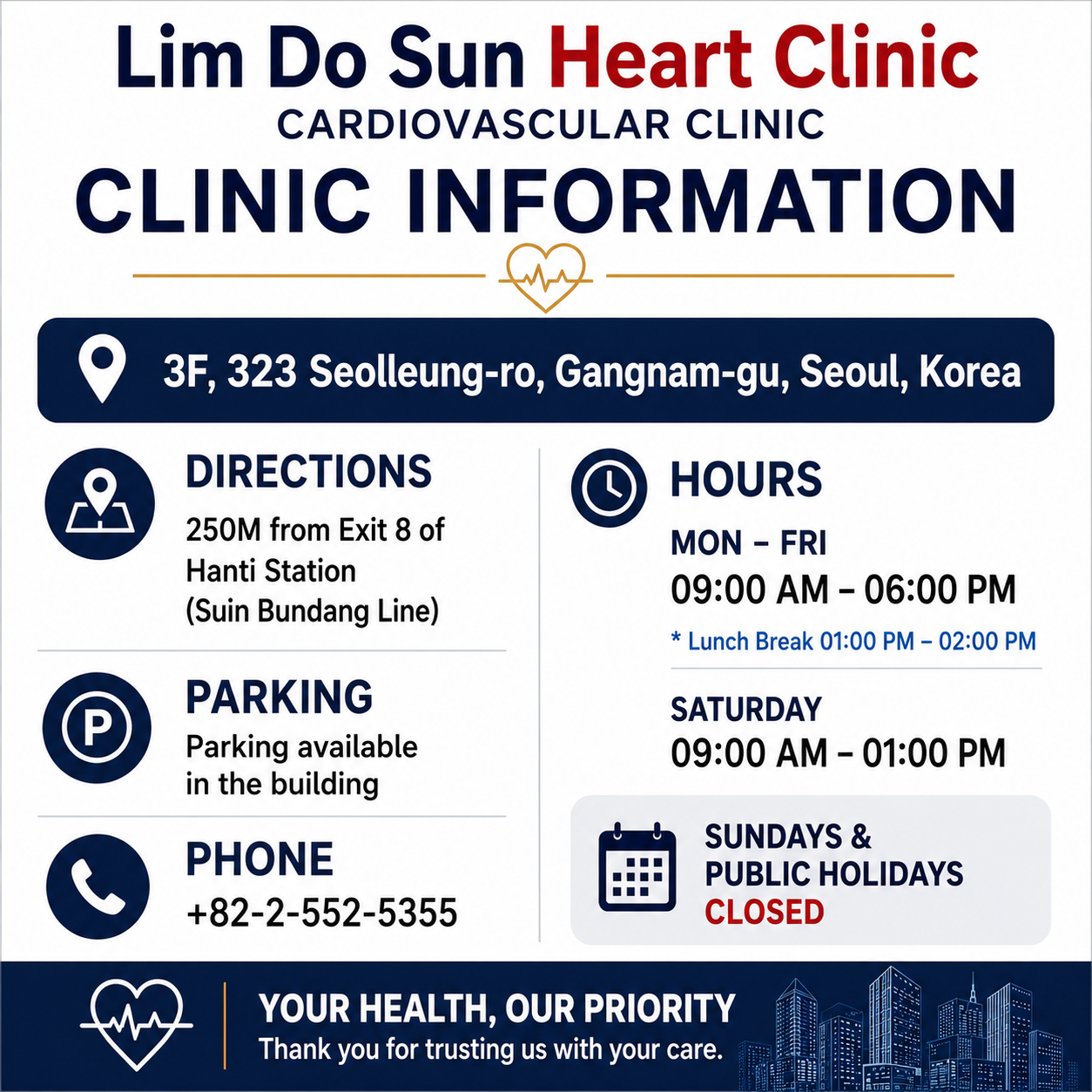
🏥 Getting Chest Discomfort Checked in Seoul
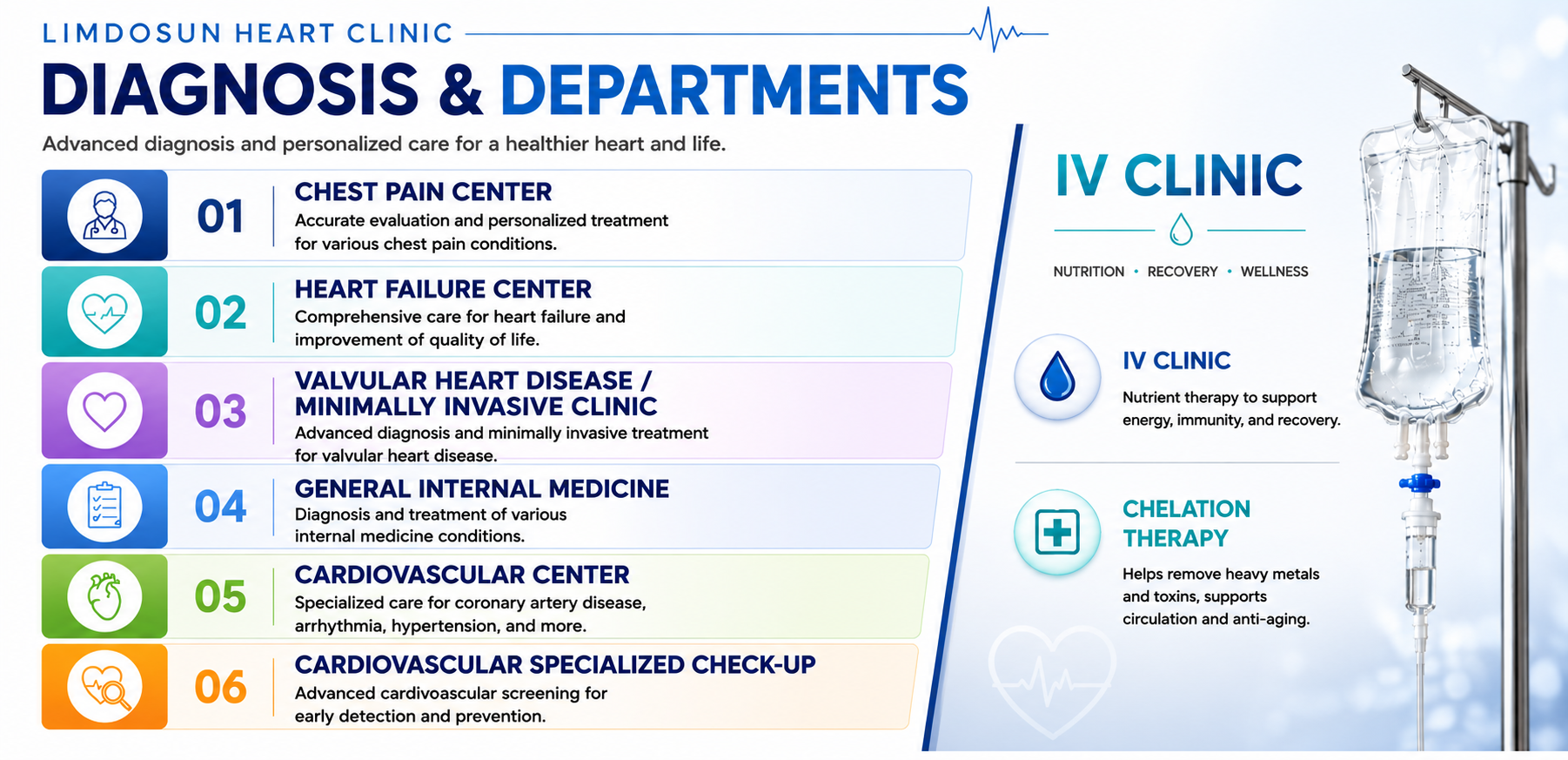
An internal medicine or cardiology clinic can evaluate stable or recurring symptoms and determine which test is appropriate.
Bring:
- Details of when the discomfort occurs
- How long each episode lasts
- Whether exercise triggers it
- Your medication list
- Previous ECG or heart-test results
- Blood-pressure records
- Information about diabetes, cholesterol, smoking, and family history
Confirm whether English-language support, ECG, echocardiography, stress testing, or cardiac CT are available before booking.
🚑 When to Call 119
Do not arrange a routine heart test first if chest discomfort is severe, persistent, or accompanied by:
- Shortness of breath
- Cold sweating
- Nausea or vomiting
- Fainting or severe weakness
- Pain spreading to the arm, back, neck, or jaw
These can be warning signs of a heart attack and require immediate evaluation.
In Seoul, call 119 for a medical emergency. Seoul's official guidance lists 119 for fire, rescue, and emergency medical services.
✨ Final Thoughts
The best heart test for chest discomfort depends on the pattern of your symptoms.
An ECG and troponin are important when an acute heart problem is suspected, while stress testing or coronary CT may be more useful for selected stable symptoms. Echocardiography evaluates heart structure, and rhythm monitoring can help when palpitations are involved.
The safest approach is to choose the test based on your symptoms, cardiovascular risk, and initial examination, rather than requesting every heart test at once.